



Jump to Section

Why SEO Matters for Florists?
How Customers Search for Floral Services
Optimize Your Floral Product and Service Pages
Keyword Research for Florists
Create Content Around Life's Biggest Moments
Your Website Should Turn Visitors Into Customers
SEO Today Goes Beyond Traditional Search
Content Ideas for Florists That Support SEO
SEO FAQs for Florists
Every day, customers search Google for flower delivery, wedding florists, sympathy arrangements, and local floral services. SEO for florists is the process of helping your flower shop appear in those search results so the right customers can find your business when they’re ready to buy.
Unlike social media, where your visibility depends on ever-changing algorithms, SEO helps your business show up when someone is actively searching for the products or services you offer. Whether you’re creating wedding bouquets, offering same-day flower delivery, or designing seasonal arrangements, a strong SEO strategy helps connect your business with customers who are already looking to make a purchase.
If you want to rank higher on Google, attract more local customers, and generate consistent inquiries without relying solely on paid advertising, investing in SEO is one of the smartest long-term marketing strategies you can make. In this guide, I’ll walk you through how florist SEO works, common mistakes to avoid, keyword research tips, local SEO best practices, content ideas, and proven strategies to help your website earn more visibility in traditional search results and today’s AI-powered search experiences.
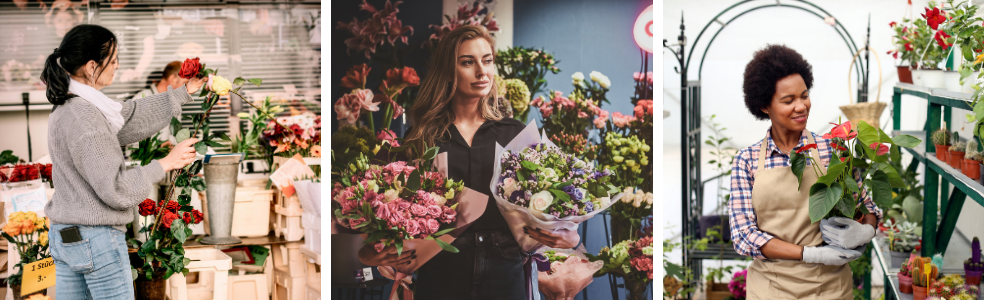
Why SEO Matters for Florists
Floristry is a highly visual and relationship-driven business, but before customers fall in love with your arrangements, they have to find you. Today, that journey almost always begins with an online search.
Whether someone is looking for a same-day flower delivery, a wedding florist, sympathy arrangements, or a bouquet for a special occasion, they’re likely searching Google first. If your website isn’t appearing in those search results, you’re missing opportunities to connect with customers who are actively ready to buy.
That’s where SEO comes in. Search engine optimization helps your website become more visible in search results so you can attract qualified visitors without relying entirely on social media or paid advertising. Instead of constantly chasing new customers, SEO helps your website work for you by bringing in organic traffic over time.
A strong florist SEO strategy can help you:
- Increase your visibility in Google Search and Google Maps.
- Attract more local customers looking for flower delivery or floral services.
- Rank for high-intent searches like “wedding florist near me” or “same-day flower delivery.”
- Build trust through helpful content, customer reviews, and a strong online presence.
- Generate consistent inquiries and orders throughout the year.
SEO also creates long-term value. While paid ads stop producing results the moment your budget runs out, an optimized website can continue attracting customers months or even years after your content is published. As Google’s search experience continues to evolve with AI-powered results, creating clear, helpful, and trustworthy content is more important than ever. Florists who invest in SEO today are positioning themselves to stay visible wherever customers search tomorrow.
How Customers Search for Floral Services
Understanding how your customers search online is one of the most important parts of building an effective SEO strategy. While it may seem like everyone searches for “florist,” people actually use a wide variety of search terms depending on what they need, where they’re located, and how quickly they need flowers.
For example, someone planning a wedding may search for “wedding florist in Austin” months before their big day, while another customer may search “same-day flower delivery near me” because they need an arrangement delivered that afternoon. Others may be looking for sympathy flowers, anniversary bouquets, or seasonal arrangements for a holiday or special event.
These searches generally fall into two categories:
Informational Searches
These are people looking for ideas, inspiration, or answers before making a purchase. Examples include:
- Best flowers for a summer wedding
- What flowers symbolize sympathy?
- How much do wedding flowers cost?
- Best flowers for Mother’s Day
Creating helpful blog posts and educational resources around these topics allows you to reach potential customers early in their buying journey while establishing your expertise.
Transactional Searches
These are high-intent searches from customers who are ready to take action. Examples include:
- Florist near me
- Flower delivery in Austin
- Same-day flower delivery
- Wedding florist Austin
- Sympathy flowers delivered today
Your website should make it easy for these customers to find exactly what they’re looking for. Well-organized service pages, optimized product categories, clear delivery information, and strong local SEO all help improve your visibility for these high-converting searches.
When you understand the intent behind a search—not just the keywords themselves—you can create content that answers your customers’ questions at every stage of their journey. That’s what helps your website rank higher, build trust, and ultimately generate more inquiries and flower orders.

Optimize Your Floral Product and Service Pages
Your homepage can’t rank for every search your customers make—and it shouldn’t have to. One of the best ways to improve your SEO is by creating dedicated pages for the products and services people are already searching for.
Think about the different reasons someone might visit a florist. One customer may be planning a wedding months in advance, while another needs sympathy flowers delivered that same day. Others may be looking for anniversary bouquets, holiday centerpieces, or corporate event florals. Each of these services deserves its own page with helpful, relevant information.
Instead of listing everything on a single page, consider creating individual pages for services such as:
→ Wedding flowers
→ Sympathy flowers
→ Birthday bouquets
→ Anniversary flowers
→ Corporate event florals
→ Holiday arrangements
→ Same-day flower delivery
If you sell products online, your product category pages are just as important. Many customers search for specific arrangements rather than a florist’s name. Searches like “rose bouquets,” “orchid arrangements,” “sunflower bouquets,” or “wedding centerpieces” can all lead potential customers to your website.
Each product or service page should include:
✔ A clear, descriptive page title
✔ Helpful information about the arrangement or service
✔ High-quality, optimized images
✔ Relevant local keywords where appropriate
✔ Frequently asked questions
✔ Links to related products, services, or blog posts
✔ A clear call-to-action that encourages visitors to order or get in touch
The goal isn’t to create dozens of pages filled with repetitive content. Instead, focus on building pages that genuinely answer your customers’ questions and help them make a confident purchasing decision. The more useful your content is, the more likely Google is to view your website as a valuable resource.
Optimize Your Images for Search
Beautiful photography is one of your biggest marketing assets as a florist, but large, unoptimized images can slow down your website and hurt both your user experience and your SEO. Since florists rely heavily on visual content, taking a few extra minutes to optimize your images can make a meaningful difference.
Before uploading images to your website, compress them using a tool like TinyPNG or by exporting them in a web-friendly format before uploading them to your website. Faster-loading pages create a better experience for visitors and can improve your website’s performance in search results.
Don’t overlook image alt text, either. Alt text provides a written description of an image for visitors using screen readers, making your website more accessible while also helping search engines understand what the image contains. Well-written alt text can even help your images appear in Google Image Search, creating another opportunity for potential customers to discover your floral designs and visit your website.
Every image on your website is an opportunity to showcase your work, improve accessibility, and strengthen your overall SEO strategy.
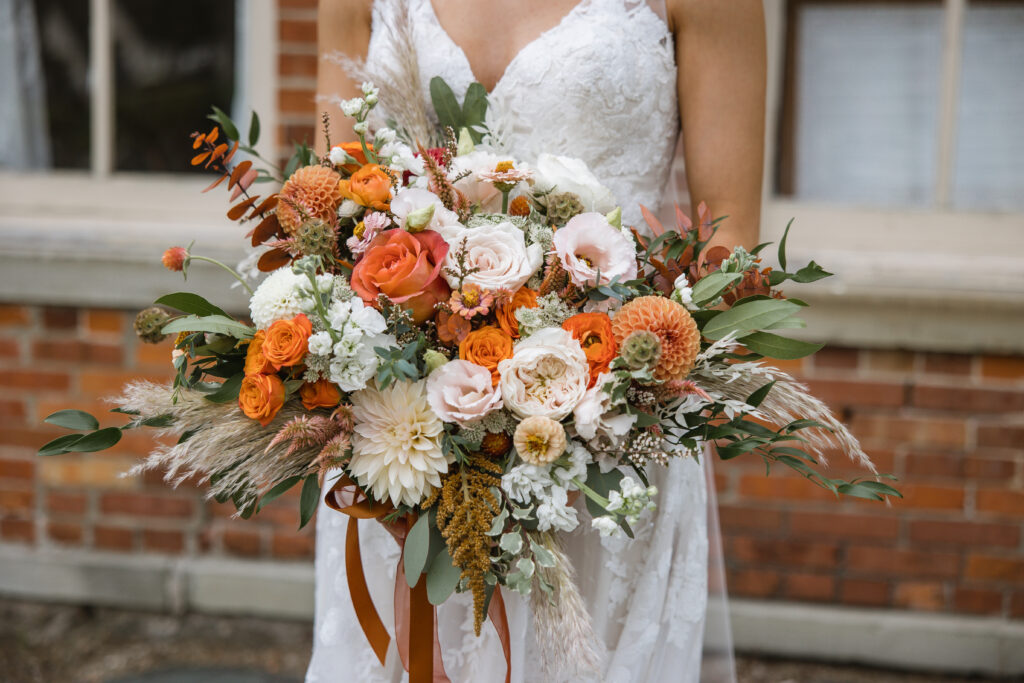
Keyword Research for Florists
Keyword research is the foundation of every successful SEO strategy. Before you can optimize your website, you need to understand the words and phrases your ideal customers are typing into Google.
One of the biggest mistakes I see florists make is trying to rank for broad keywords like “flowers” or “florist.” While those terms may have high search volume, they’re also incredibly competitive and don’t always reflect what customers are actually looking for.
Instead, focus on keywords that match your services, location, and your customers’ intent. The more specific your keywords are, the more likely you are to attract qualified visitors who are ready to place an order or inquire about your services.
Location-Based Keywords
If you primarily serve a local area, include your city, neighborhood, or service area within your keyword strategy.
Examples include:
- Florist in Charlotte
- Flower delivery in Plano
- Wedding florist in Raleigh
- Same-day flower delivery in Tallahassee
- Florist near Cedar Park
These searches often come from customers who are actively looking for a florist nearby, making them some of the highest-converting keywords you can target.
Occasion-Based Keywords
Many floral purchases are tied to a specific event or milestone. Creating content around these occasions helps your website appear when customers are searching for exactly what they need.
Examples include:
- Mother’s Day flowers
- Sympathy flowers
- Anniversary bouquets
- Birthday flower delivery
- Valentine’s Day flowers
- Graduation flowers
Product-Based Keywords
Customers don’t always search for a florist first—they often search for a specific type of arrangement. Optimizing your product and category pages around these terms helps connect your website with customers who already know what they’re looking for.
Examples include:
- Rose bouquets
- Orchid arrangements
- Sunflower bouquets
- Wedding centerpieces
- Seasonal flower arrangements
Long-Tail Keywords
Long-tail keywords are longer, more specific search phrases. While they usually have lower search volume, they often attract visitors who are much closer to making a purchase.
Examples include:
- Affordable wedding florist in Atlanta
- Same-day flower delivery near me
- Best florist for wedding flowers
- Sympathy flowers delivered today
- Florist for corporate events
These searches may bring in fewer visitors, but they’re often more qualified and have a higher likelihood of converting into customers.
Remember that keyword research isn’t something you do once and forget. Search trends change, new opportunities emerge, and your services may evolve over time. Regularly reviewing your keyword strategy helps ensure your website continues attracting the right audience while staying competitive in search results.

Putting Your Keyword Research Into Action
Once you’ve identified the keywords that are most relevant to your florist business, organize them into a master keyword list. Group similar keywords together by topic, service, or location so you can easily identify opportunities for product pages, service pages, blog posts, and seasonal content.
If you’re not sure where to find keyword ideas, tools like SEMrush, Ahrefs, and Ubersuggest can help you discover related search terms, estimate search volume, and identify opportunities your competitors may be targeting. Reviewing competitor websites can also reveal content gaps and inspire new topics to include in your own SEO strategy.
Remember, keyword research isn’t about finding as many keywords as possible. It’s about understanding how your ideal customers search and creating helpful content that answers those searches. Focus on relevance first, then build your website and content around the topics that matter most to your audience.
Create Content Around Life’s Biggest Moments
One of the biggest advantages florists have is that customers search for flowers around predictable life events. From holidays and weddings to anniversaries and graduations, these occasions create valuable opportunities to appear in search results and connect with customers at the exact moment they’re planning a purchase.
Rather than creating content at the last minute, build a library of evergreen resources that you can update each year. Search engines need time to discover, index, and rank new content, so planning ahead can help your website gain visibility before demand begins to increase.
The florists who see the best long-term SEO results aren’t necessarily the ones publishing new content every week. They’re the ones who consistently improve, refresh, and expand the content they already have. Small updates over time can have a significant impact on your visibility, helping your website continue attracting customers long after your content is first published.
Seasonal Searches
Unlike many businesses, florists experience predictable spikes in demand throughout the year. Customers actively search for flowers around holidays, celebrations, and seasonal events, making these some of the best opportunities to grow your organic traffic.
Consider creating content around topics such as:
- Valentine’s Day flower ideas
- Mother’s Day arrangements
- Spring floral trends
- Summer wedding flowers
- Thanksgiving centerpieces
- Christmas floral arrangements
- Graduation bouquets
- Anniversary gift ideas
Seasonal content can take many forms, including blog posts, gift guides, galleries, curated collections, or service pages. Updating these resources each year with fresh images, current trends, and new information helps keep them relevant for both customers and search engines.
Wedding Searches
For many florists, weddings represent some of the most valuable projects they’ll book all year. Couples often begin researching months before they contact a florist, searching for inspiration, pricing, floral styles, and local vendors throughout the planning process.
Some common wedding-related searches include:
- Wedding florist near me
- Wedding flowers in [City]
- Bridal bouquet inspiration
- Wedding centerpiece ideas
- Wedding flower checklist
- How much do wedding flowers cost?
Creating content around these topics helps your business appear earlier in the customer journey while building trust long before someone is ready to inquire. Consider publishing wedding flower planning guides, seasonal bouquet inspiration, venue-specific floral galleries, real wedding features, and articles that answer common questions couples have during the planning process.
If you serve a specific region, include local references whenever they’re relevant. Mentioning popular wedding venues, cities you frequently work in, or local wedding vendors can strengthen your local SEO while making your content even more useful for engaged couples.
Whether you’re creating seasonal resources or wedding-focused content, the goal is the same: publish helpful information that answers your customers’ questions before they ever contact your business. Over time, this content builds authority, strengthens your online presence, and creates additional opportunities for customers to discover your services.
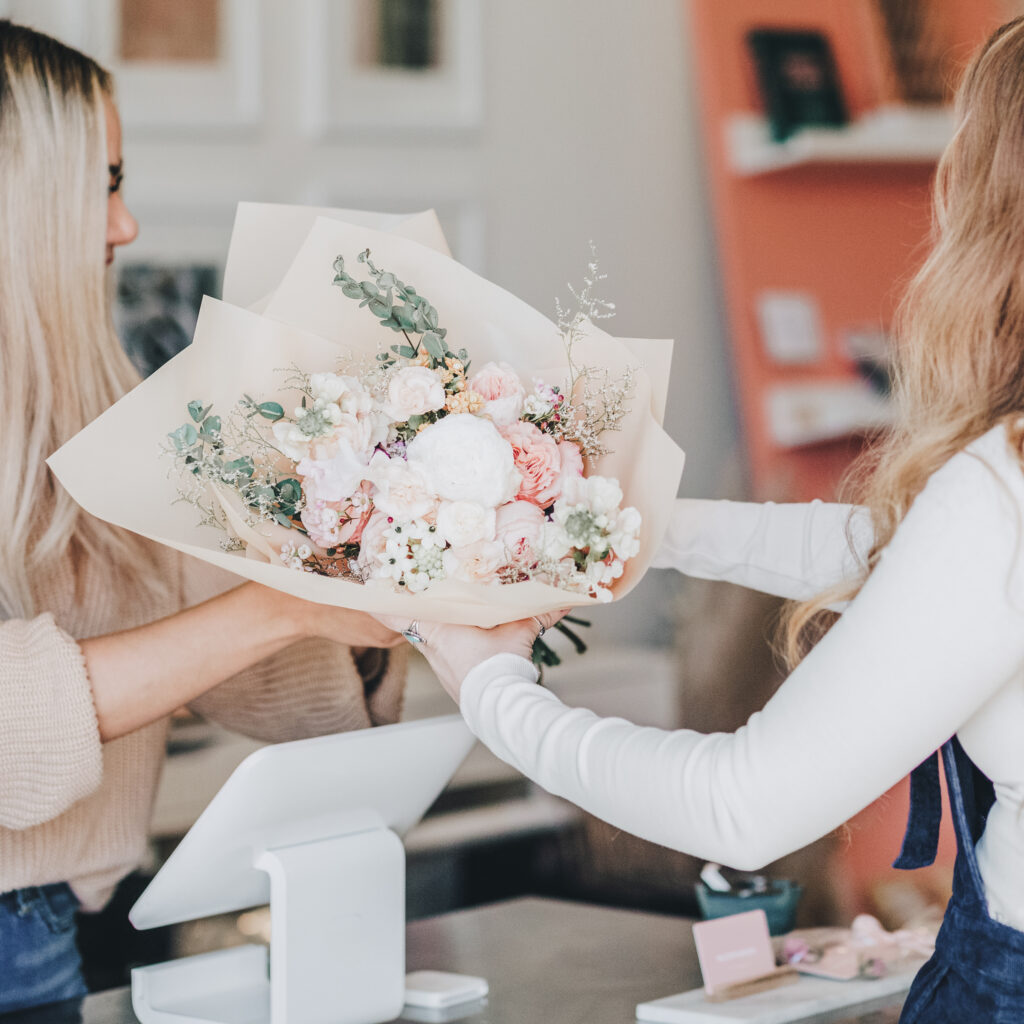
Your Website Should Turn Visitors into Customers
Getting your website to rank on Google is only half the equation. Once someone lands on your website, the next goal is helping them feel confident enough to place an order or reach out.
Think about your own online shopping habits. If a website is difficult to navigate, loads slowly, or doesn’t answer your questions, you’re likely to leave and continue searching elsewhere. The same is true for your potential customers.
Your website should make it easy for visitors to:
✔ Browse your floral arrangements and services
✔ Learn about your delivery options
✔ View pricing or request a custom quote
✔ Read customer reviews and testimonials
✔ Contact your team
✔ Place an order with confidence
Every page should include a clear call-to-action that tells visitors what to do next. Whether that’s Shop Now, Request a Wedding Consultation, Order Flowers, or Contact Us, don’t make people guess how to take the next step.
Building trust is just as important as driving traffic. Consider adding elements that reassure potential customers they’re choosing the right florist, such as:
- Customer testimonials and Google reviews
- Photos of recent arrangements and events
- Awards, certifications, or professional memberships
- Frequently asked questions
- Delivery information and service areas
- Clear contact information
Finally, don’t overlook the importance of a mobile-friendly website. Many customers search for florists on their phones, especially when they need same-day delivery or are looking for a local business while they’re on the go. A fast, responsive website creates a better user experience and can improve both your search rankings and conversion rate.
At the end of the day, SEO isn’t just about bringing more people to your website. It’s about attracting the right visitors and giving them every reason to choose your business over the competition.
SEO Today Goes Beyond Traditional Search
SEO is still one of the most effective ways to attract new customers, but the way people search for information is continuing to evolve. Today, customers discover businesses not only through traditional Google searches but also through AI-powered search experiences that summarize information from trusted websites.
The good news is that the fundamentals of SEO haven’t changed. Search engines and AI platforms both prioritize content that is accurate, helpful, well-organized, and written with the user in mind. Rather than trying to optimize for every new platform or algorithm, focus on creating the best possible resource for your audience.
For florists, that means clearly explaining your services, answering common customer questions, showcasing your expertise through helpful content, and keeping your website updated with accurate information. The more valuable your content becomes, the more opportunities your business has to appear when potential customers are searching for the services you offer.
At the end of the day, great SEO is about helping people find the information they need. By consistently creating trustworthy, customer-focused content, you’re building a stronger online presence that can support your visibility in both traditional search results and the next generation of AI-powered search experiences.
Content Ideas for Florists That Support SEO
One of the best ways to strengthen your SEO over time is by consistently publishing content that answers your customers’ questions and showcases your expertise. Every blog post, gallery, guide, or resource creates another opportunity for your website to appear in search results while demonstrating your expertise.
The best content isn’t written just to rank on Google—it’s written to help real people make informed decisions. When you consistently publish valuable content, you’re building trust with potential customers while giving search engines more reasons to recommend your website.
If you’re unsure where to start, here are a few content ideas that can support both your SEO strategy and your business goals.

Seasonal Flower Guides
Refresh your seasonal content each year with updated trends, photography, and gift ideas. Seasonal topics are some of the best opportunities to attract organic traffic before demand peaks.
Ideas include:
- Valentine’s Day Flower Guide
- Mother’s Day Flower Ideas
- Holiday Floral Decorating Tips
Wedding Planning Resources
Wedding-related content helps you connect with couples early in the planning process while showcasing your expertise.
Ideas include:
- Wedding Flower Planning Timeline
- Bridal Bouquet Inspiration
- Wedding Flower Budget Tips
Flower Care & Educational Content
Educational content establishes your expertise while answering common customer questions.
Ideas include:
- How to Keep Fresh Flowers Alive Longer
- What Different Flowers Symbolize
- How to Care for Orchids
Local Content
Local content strengthens your local SEO while helping customers connect with your business.
Ideas include:
- Best Wedding Venues in [City]
- Local Event Inspiration
- Behind the Scenes at Your Flower Shop
Showcase Your Work
Your portfolio is one of your greatest marketing assets and provides valuable opportunities to build trust with future customers.
Ideas include:
- Real Weddings
- Customer Success Stories
- Styled Shoots
Every project you complete has the potential to become valuable content that builds credibility, showcases your design style, and creates additional opportunities to appear in search results.
Remember, you don’t need to publish several new blog posts every week to see results. A thoughtful library of high-quality, evergreen content will almost always outperform a large collection of short articles with little value. Focus on creating content that genuinely helps your audience, then revisit and update it as your business grows and search trends evolve.

SEO FAQs for Florists
What is SEO for florists?
SEO for florists is the process of optimizing your website and online presence so your flower shop appears in search results when customers are looking for flower delivery, wedding florists, sympathy arrangements, and other floral services. A strong SEO strategy helps attract more qualified traffic, increase local visibility, and generate more inquiries and orders over time.
How can florists rank higher on Google?
Ranking higher on Google starts with creating a fast, user-friendly website filled with helpful, relevant content. Florists should also optimize their Google Business Profile, target location-specific keywords, create dedicated service and product pages, earn customer reviews, and consistently publish valuable content that answers their customers’ questions.
How important is local SEO for florists?
Local SEO is one of the most important marketing strategies for florists because most customers are searching for businesses in their area. Optimizing for local search helps your flower shop appear in Google Maps, local search results, and searches like “florist near me” or “flower delivery in [City],” making it easier for nearby customers to find and contact you.
Does Google Business Profile help florist SEO?
Yes. Your Google Business Profile is one of the most valuable tools for improving local visibility. A complete, up-to-date profile with accurate business information, quality photos, positive customer reviews, and regular updates can improve your chances of appearing in local search results and Google Maps.
Should florists create separate delivery area pages?
If you deliver to multiple cities or neighborhoods, dedicated delivery area pages can help improve your local SEO. These pages should provide unique, helpful information about the communities you serve rather than repeating the same content with different city names.
Do product and service pages help with SEO?
Absolutely. Dedicated pages for wedding flowers, sympathy arrangements, holiday centerpieces, flower delivery, and other services help search engines better understand your business while creating additional opportunities to rank for the products and services your customers are actively searching for.
How long does SEO take to work for florists?
SEO is a long-term investment rather than an overnight solution. While every business is different, many florists begin seeing improvements within three to six months. Building authority, earning trust with search engines, and increasing rankings takes time, but the long-term results often provide more sustainable growth than relying solely on paid advertising.
Does blogging help florist SEO?
Yes. Blogging allows you to answer common customer questions, target additional keywords, showcase your expertise, and create fresh content that search engines can index. Topics like wedding planning, flower care, seasonal arrangements, and local events can all help attract potential customers while supporting your overall SEO strategy.
What tools can florists use to improve their SEO?
Google offers several free tools that can help you improve your website’s SEO. Google Search Console helps you monitor your website’s performance in search results, identify indexing issues, and see which keywords are driving traffic to your site. Google PageSpeed Insights analyzes your website’s loading speed and provides recommendations for improving performance on both desktop and mobile devices.
If you’re looking for more advanced keyword research and competitor insights, tools like Semrush, Ahrefs, and Ubersuggest can help you discover new keyword opportunities, analyze competitors, and build a stronger content strategy. While paid tools provide more data, you can make meaningful improvements using Google’s free resources alone.
Should I focus on SEO or social media?
Both play an important role, but they serve different purposes. Social media helps you build relationships and engage with your audience, while SEO helps customers discover your business when they’re actively searching for floral services. A well-rounded marketing strategy includes both, but investing in SEO creates long-term visibility that continues working long after a social media post stops generating engagement.
Final Thoughts
SEO for florists isn’t about chasing algorithms or trying to outsmart search engines. It’s about creating a website that helps the right customers find your business when they’re looking for flowers, wedding services, or floral expertise.
By investing in local SEO, creating helpful content, optimizing your website, and consistently improving your online presence, you’re building a marketing asset that can continue generating inquiries long after your work is published. Every optimized page, blog post, customer review, and website update strengthens your authority and increases your opportunities to connect with new customers.
Remember, SEO is a long-term investment. Small, consistent improvements often lead to the biggest results over time, helping your business become more visible in traditional search results and the evolving world of AI-powered search.

Wondering What Is Holding Your Website Back?
I’m Kelli, an SEO strategist and Showit Design Partner. I work with service-based businesses to improve how their websites are found, understood, and used by potential clients.
Every website is different. Some need stronger content. Some need a better structure. Others need help connecting what they offer to what people are actually searching for.
If you’re using Showit and wondering what changes could have the biggest impact on your website, start with my free SEO Strategy Assessment.







Comments +